 |
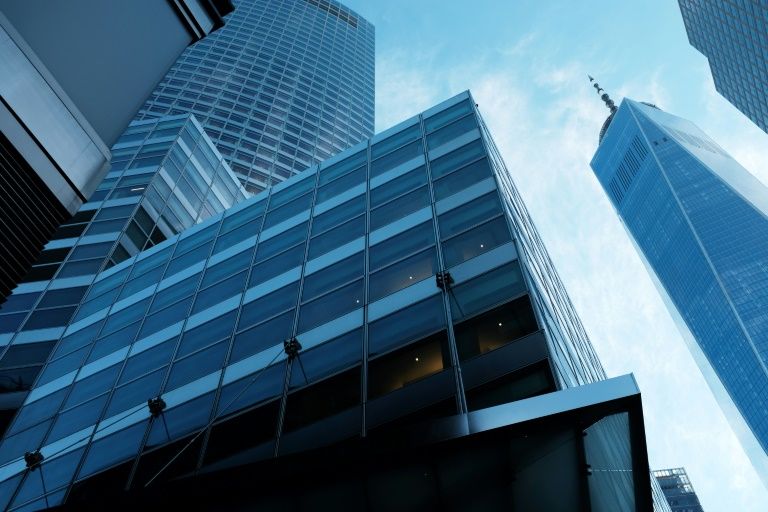
| Executives at Goldman Sachs headquarters face questions over the firm's work\ for scandal-ridden Malaysian fund 1MDB |
Goldman Sachs's decision to potentially cut bonuses for top executives over the 1MDB scandal reflects an acknowledgement at shareholder and public outrage over the debacle.
The
prestigious investment bank announced last week that it could withhold millions
of dollars in bonuses to former Chief Executive Lloyd Blankfein and two other
retired executives depending on the outcome of ongoing probes into the
Malaysian fund.
The bonuses
were first approved in 2011 and the annual payouts depend on the firm's
performance over the ensuing eight years. In Blankfein's case, the bonus began
at $7 million and nearly doubled, according to US securities documents.
Beyond the
bonuses, Goldman also said it could claw back compensation from current chief
executive David Solomon and two other current senior executives, president John
Waldron and chief financial officer Stephen Scherr.
Solomon was
paid $23 million last year, including $15.4 million in stock options.
The
announcement on bonuses was intended as a message for shareholders who are
upset at how the corruption scandal has tarred the bank's image at a time when
it is working to build up its consumer banking business through the online platform
Marcus, according to two people familiar with the matter.
The board
of directors wants shareholders to know it is not blind to the gravity of the
situation, said one of the sources, adding that the message was not meant to be
an admission of wrongdoing.
Besides
Solomon, who also serves as chairman, Goldman's 13-member board includes
ArcelorMittal chief executive Lakshmi Mittal.
Experts say
Goldman Sachs could face a fine of perhaps $2 billion under a criminal case
related to 1MDB.
 |
Goldman
Sachs chief executive David Solomon is among
the company leaders who could see
compensation
clawed back depending on probes over 1MDB
|
Under
scrutiny
In January,
Solomon apologized to Malaysia over the scandal and the involvement of former
Goldman partner Tim Leissner, who had pleaded guilty to violating US
anti-bribery and money laundering laws.
Solomon's
statement stood out in tone from that of Blankfein, who said during the height
of the financial crisis in 2009 that he was "doing God's work" in
helping companies raise capital.
US
authorities have accused a Malaysian financial intermediary, Low Taek Jho,
along with Leissner and another former Goldman banker, Ng Chong Hwa, of
conspiring to launder billions of dollars from 1 Malaysia Development Berhad, a
sovereign wealth fund set up for development of the country. Goldman garnered
$600 million in fees and revenues from 1MDB bond transactions.
US
officials maintain that more than $2.7 billion in funds went to kickbacks and
bribes.
Pointed
questions facing Goldman Sachs include revelations it proceeded with its first
transaction with 1MDB to finance a $1.75 billion purchase of power plants despite
being warned by rival bank Lazard that the deal looked suspicious, according to
a source.
Also, a
division of the investment bank agreed to do business with Low Taek Jho even
though he was rejected in 2011 from opening an account because bank officials
could not determine the source of his wealth, a person familiar with the matter
told AFP.
"The
due diligence functions at Goldman Sachs fell apart," said Richard Bove,
analyst at Odeon Capital and a frequent Goldman critic.
"If
you're going to raise $6 billion for someone you better know everything there
is to know about that someone."
The three
transactions were presented to the bank's investment committees for Asia and
firm-wide, which required 1MDB to pay a larger-than-usual fee because 1MDB was
opposed to a syndicated loan, saddling Goldman with all of the risk, a source
said.
Goldman
declined comment and Lazard did not respond requests for comment.
No comments:
Post a Comment
Note: Only a member of this blog may post a comment.